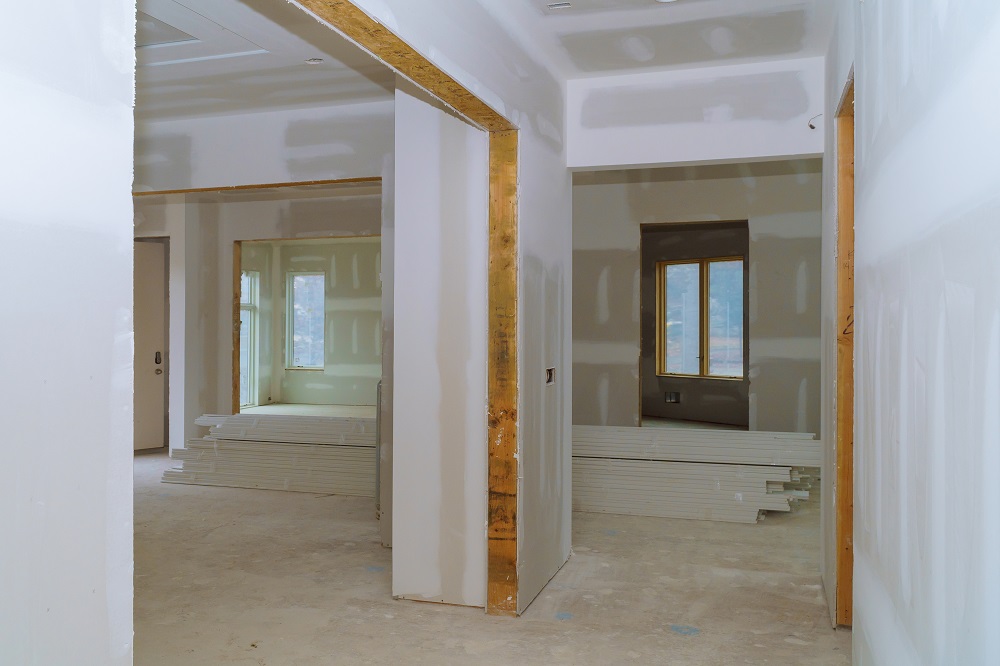
Improving your home’s energy efficiency does not always require major renovations or expensive equipment. Simple home upgrades help reduce energy waste while keeping your living space comfortable throughout the year. For many homeowners, the best place to start is by identifying areas where heat enters or escapes. Window coverings and insulation offer practical ways to manage indoor temperatures without relying as heavily on heating and cooling systems. As you plan improvements, consider which changes best suit your home’s condition and your household’s needs.
Install Energy-Efficient Window Blinds
Windows provide natural light, but direct sunlight increases indoor temperatures during warmer months. In colder weather, uncovered windows also let indoor heat escape. Installing blinds helps you control sunlight and maintain a more comfortable indoor temperature throughout the year. Close them during hot afternoons to reduce heat gain, then open them when outdoor conditions allow more natural light inside.
Window blinds also complement your interior design without requiring major changes to your home. Many companies like Hirshfield’s Window Fashions offer a range of blind materials and styles to suit different rooms and preferences. Selecting suitable window coverings and adjusting them throughout the day helps manage indoor temperatures while reducing the need for air conditioning.
Seal Gaps Around Doors and Windows
Insulation works best when your home also limits unwanted airflow. Small gaps around door frames and window edges allow conditioned air to escape, forcing your heating and cooling systems to compensate. Check these areas for visible cracks or drafts, especially during windy weather. Weatherstripping helps seal gaps around moving parts, while caulk works well for stationary joints and smaller cracks. You should also inspect openings around pipes that pass through exterior walls. Sealing these gaps helps maintain more consistent indoor temperatures without requiring a major renovation.
Replace Old Light Bulbs With LEDs
After addressing air leaks, look at how your home uses electricity for everyday activities. Lighting offers a simple starting point because LED bulbs generally consume less energy than traditional incandescent bulbs. They also last longer, which means you will replace them less frequently. Choose a brightness level that suits each room instead of relying on unnecessarily powerful bulbs.
You can also open curtains during daylight hours to reduce your need for artificial lighting. In hallways or other suitable areas, motion sensors help prevent lights from staying on when nobody needs them. These small adjustments make it easier to manage electricity use without sacrificing a comfortable atmosphere.
Choose Appliances That Use Less Energy
Lighting improvements address one source of electricity consumption, but household appliances also affect your energy bills. Older refrigerators and washing machines may use more electricity than newer efficient models, depending on their age and condition.
Before replacing an appliance, compare its estimated annual energy consumption to understand its likely running costs. Choose a model that fits your household’s needs rather than paying for a capacity you rarely use. You can improve existing appliance performance by cleaning refrigerator coils when recommended and maintaining dryer filters. Running your washing machine with a suitable full load helps you avoid unnecessary cycles.
With careful selection and regular upkeep, your appliances meet daily needs while using energy more efficiently.
Keep Your Heating and Cooling System in Good Condition
Even efficient appliances cannot offset unnecessary energy use from a poorly maintained heating or cooling system. Dirty filters restrict airflow, while blocked vents make it harder to distribute conditioned air throughout your home. Follow the manufacturer’s instructions when cleaning or replacing filters, and keep supply vents clear of furniture.
Arrange professional servicing at the recommended intervals so a qualified technician can identify developing problems. If your system struggles to maintain the desired temperature, review its condition before assuming that you need a replacement. A programmable thermostat also adjusts indoor temperatures to suit your daily schedule. These measures help your equipment operate more effectively and reduce avoidable energy consumption.
Add Insulation to Your Attic and Walls
Alongside routine system maintenance, examine how well your home retains heat. Inadequate attic insulation allows indoor warmth to escape through the roof during colder weather. During summer, a poorly insulated attic also contributes to unwanted heat entering the rooms below. Wall insulation helps limit heat transfer through exterior walls, although the right method depends on the home’s construction. Check for existing insulation gaps and address moisture problems before starting work.
You should also maintain proper attic ventilation to help manage moisture and heat. For homes with uninsulated crawl spaces, many contractors like Josh Lowe’s Dr. Energy Saver help assess insulation needs beneath the living area. A professional energy assessment identifies the areas that need attention first, helping you prioritize improvements according to your home’s needs.
Install Water-Saving Fixtures
Your home’s energy use extends beyond heating and cooling indoor spaces. When you use less hot water, your water heater needs less energy to replenish the supply. Low-flow showerheads and faucet aerators reduce water consumption while maintaining practical performance. Look for fixtures that suit your plumbing system and provide enough flow for everyday tasks. You can also insulate accessible hot-water pipes to reduce heat loss as water travels through your home. Together, these changes help lower hot-water demand without requiring extensive bathroom or kitchen renovations.
Reduce Standby Power Consumption
Water-saving improvements address one part of household energy use, but plugged-in electronics also consume electricity when you are not actively using them. Televisions and some home office devices draw standby power even when you switch them off. Smart power strips help manage this consumption by cutting power to selected devices when they enter standby mode or when you turn off a designated control device. They work particularly well for electronics that you use together.
You can unplug chargers when you no longer need them. However, keep essential devices connected when they require continuous power. Reviewing your electronics habits helps you identify simple ways to reduce unnecessary electricity use.
Make Better Use of Shade and Natural Ventilation
Your home’s surroundings also influence its indoor temperature and energy demands. During mild weather, opening windows on opposite sides of the house encourages cross-ventilation and helps release trapped heat. Check outdoor temperatures and humidity first, since warm or humid air may make indoor conditions less comfortable. Exterior shading further reduces heat gain by blocking direct sunlight before it reaches your windows.
Awnings and strategically placed trees offer practical options, depending on your home’s layout. Before planting trees, consider their mature size and keep roots away from foundations and underground utilities. When outdoor conditions allow, combining shade with natural ventilation helps you rely less on air conditioning.
Start With the Upgrades That Matter Most
Improving your home’s energy efficiency becomes easier when you tackle the biggest sources of energy waste first. Start by checking for drafts and reviewing your existing insulation, since these areas influence how hard your heating and cooling system must work. You can then consider window blinds, lighting improvements, or appliance upgrades based on your priorities and budget.
Each home has different needs, so focus on changes that address your specific comfort concerns rather than following a standard plan. Keep track of your energy bills before and after making improvements to see how your efforts affect consumption. With thoughtful planning and regular maintenance, you can create a more comfortable home while managing everyday energy costs.


Leave a Reply