A clogged drain can disrupt your routine and create unnecessary stress, but there are several practical steps you can take before the situation becomes more serious. Understanding these options helps you respond quickly and safely while keeping your plumbing in good condition. Below are some helpful methods you can try at home, along with a couple of long-term solutions to prevent future blockages.
Try Hot Water Flushing
Flushing your drain with hot water is one of the simplest first steps you can take. The heat helps loosen soap scum, grease, and other buildup that may be causing the clog. Pouring the water slowly is important because it gives the heat time to break down debris.
This method works best for sinks and showers where organic matter tends to accumulate. You can repeat the process several times for stubborn clogs. If the blockage doesn’t move, it may be a sign that something deeper in the pipe needs attention. Hot water flushing is a quick and gentle option worth trying before exploring more aggressive solutions.
Use a Plunger for Minor Blockages
A basic plunger can be surprisingly effective at loosening drain clogs. With a few firm pushes, the suction helps dislodge whatever is blocking the flow of water. It’s important to get a good seal around the drain, or else the pressure won’t be strong enough. This method works for sinks, tubs, and even some floor drains.
While it won’t solve every clog, it often clears the common ones caused by hair, soap buildup, or small bits of debris. If the plunger creates some movement but not enough to fully clear the pipe, repeating the process may help. For many households, a plunger remains a go-to tool because it’s easy to use and requires no chemicals.
Try a Drain Snake or Hair Tool
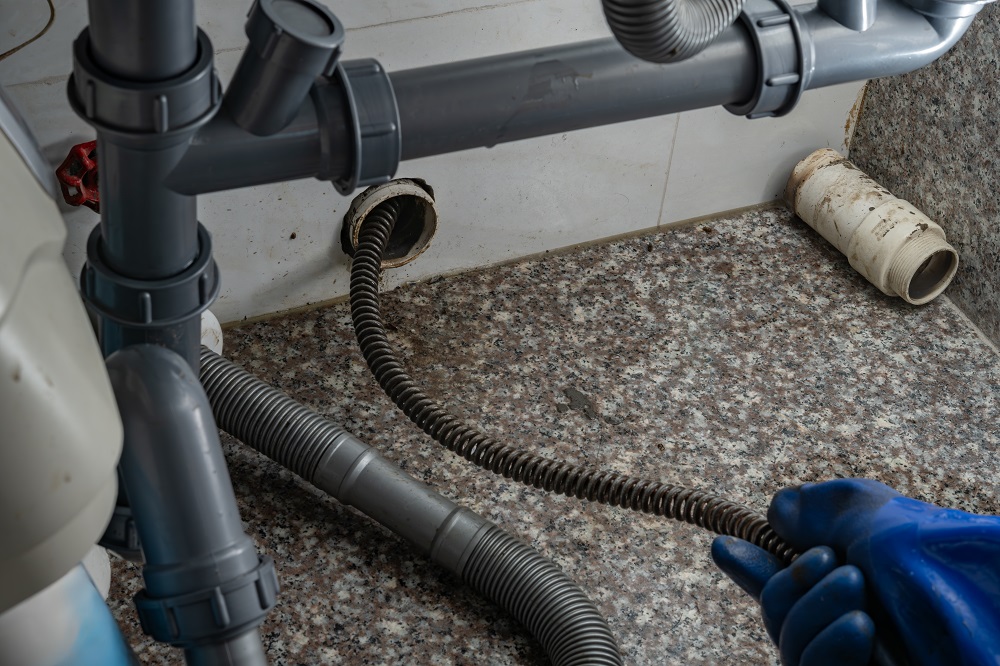
A simple drain snake can reach blockages that plungers and hot water can’t. These tools are designed to move through curved pipes and pull out built-up materials, especially hair tangles. They work particularly well in bathroom sinks and showers, where hair is a common problem. Inserting the snake carefully prevents damage to your pipes while still applying enough pressure to break through the clog.
This approach is especially useful when the blockage is close to the drain opening. If you regularly deal with slow-draining water, using a snake occasionally can keep things flowing smoothly. Many homeowners find that having a basic drain tool on hand saves time and frustration.
Clean the Drain to Prevent Recurring Clogs
Cleaning your drains regularly can help you avoid sudden blockages and unpleasant odors. This process may include removing the drain cover, clearing visible debris, and rinsing the pipe with hot water or a mild cleaning mixture. A routine cleaning helps keep buildup from accumulating over time. While you may not need to do this every week, a simple monthly check can make a noticeable difference.
Some homeowners also choose to schedule occasional professional cleaning for deeper maintenance. In such cases, involving a local plumber like Legacy Plumbing and Heating can help ensure stubborn buildup is cleared safely. They have the tools, experience, and techniques needed to address the issue without damaging your pipes. Their expertise also saves you time and prevents recurring problems that DIY methods might fail to resolve.
Consider Repiping for Older or Frequently Problematic Plumbing
In homes with aging plumbing systems, frequent clogs may signal a larger underlying issue. Old pipes can develop corrosion, buildup, or narrowing that makes blockages more common. When this happens repeatedly, short-term solutions may not provide lasting relief. That’s why some homeowners eventually consider repiping, especially when repairs become more frequent than expected. Replacing older lines can improve water pressure and restore smoother flow throughout the home.
Though it’s a bigger project, it often prevents future drainage issues that stem from aging infrastructure. Thinking long-term can help you avoid recurring problems and unexpected plumbing interruptions.
Use Natural Cleaning Solutions for Gentle Maintenance
Natural cleaning mixtures can help loosen minor buildup without causing damage to your pipes. A simple combination of baking soda and vinegar is often enough to break down soap scum or residue sitting near the drain opening. Pouring the baking soda first allows it to settle into the pipe, while the vinegar activates it with a gentle fizzing action. After letting the mixture sit for several minutes, flushing with hot water helps wash away loosened debris. This method is especially useful for people who want to avoid harsh chemicals in their home.
While it won’t solve deeper or more stubborn clogs, it’s a helpful routine option to maintain smoother drainage. Regular gentle cleaning can extend the time between major clog issues and keep your drains smelling fresh.
Conclusion
Dealing with a clogged drain doesn’t have to be overwhelming when you know what steps to take. From simple methods like hot water and plungers to deeper maintenance such as drain cleaning, each option helps restore normal flow and prevent additional issues. When blockages happen often, exploring long-term solutions like evaluating the condition of your plumbing can provide more lasting relief. Understanding these choices makes it easier to protect your home and avoid stressful plumbing emergencies. By taking care of your drains and paying attention to early signs of trouble, you’ll keep everything running smoothly with fewer unexpected disruptions. A little routine maintenance goes a long way toward preventing future clogs and maintaining a comfortable home. So whenever a drain slows down, you’ll know exactly where to start and what steps can help bring things back to normal.
 Businera
Leave a comment