Tag: home

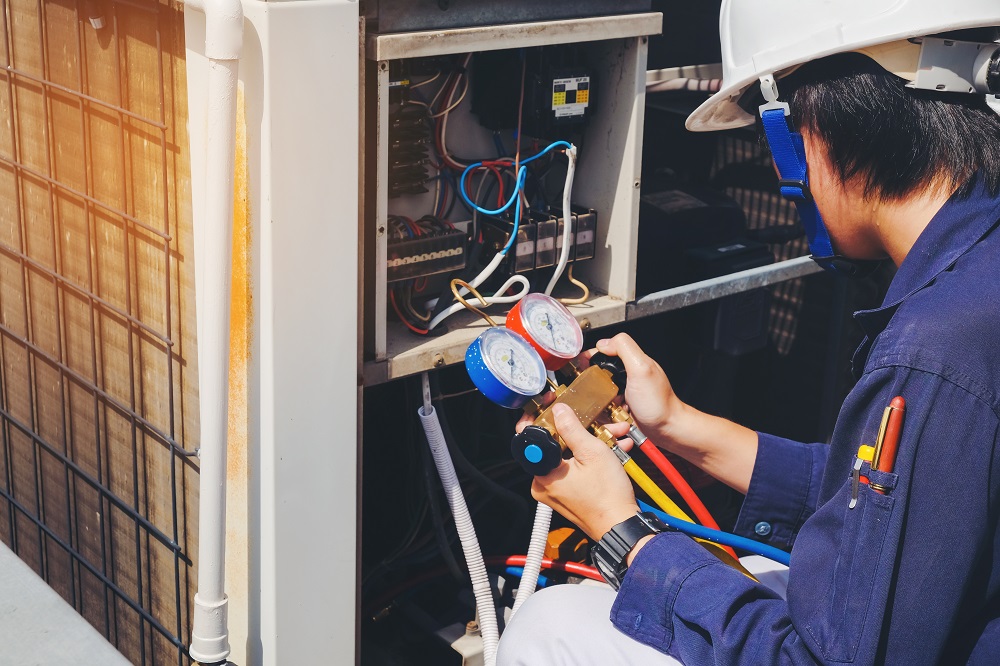
  • Common Furnace Problems That May Require Professional Repair

    Common Furnace Problems That May Require Professional Repair

    A furnace plays an important role in keeping a home comfortable during colder months. Like other major household systems, it can develop problems that affect its ability to heat rooms properly. Some issues may begin with small changes, such as unusual sounds, weak airflow, or uneven temperatures. Recognizing these signs early can help homeowners understand when their heating system may need attention. The sections below explore several common furnace problems, along with signs that may indicate a closer inspection is needed.

    Uneven Heating Throughout the Home

    Uneven heating is a common concern that may leave some rooms feeling comfortable while others remain noticeably cold. This issue may develop when the furnace is not distributing heated air as effectively as it should. Obstructions around vents can limit airflow and make certain areas harder to heat.

    Ductwork concerns may also affect how warm air travels through the home. An aging furnace may have more difficulty maintaining consistent temperatures as its performance changes. Checking that vents remain open and unobstructed is a reasonable first step. Keeping the area around registers clear also allows heated air to circulate more freely. If uneven temperatures continue despite these basic checks, professional evaluation may help identify the underlying cause.

    Furnace Fails to Turn On

    A furnace that does not start can be frustrating, particularly when temperatures drop and reliable heating becomes important. The issue may come from a thermostat setting, power supply, or another component within the system. Homeowners can check whether the thermostat is set correctly and confirm that the furnace has power. A tripped breaker may also prevent the unit from operating. If these basic checks do not resolve the problem, the cause may require a closer inspection. Internal electrical or mechanical issues are not always easy to identify without the right tools. A qualified technician can examine the system and determine what is preventing normal operation.

    Strange or Unusual Noises

    Furnaces generally produce some operating sounds, but sudden or unusual noises may indicate that something has changed. Rattling sounds could point to a loose component, while squealing may be associated with a problem involving a moving part. Banging noises can sometimes occur when components are dirty or when ignition is not happening as expected. Persistent scraping or grinding sounds deserve attention because they may indicate mechanical problems. Ignoring these noises could allow a minor issue to develop into a more complicated repair. Paying attention to when the sound occurs can also provide useful information for a technician.

    Professional furnace repair may be appropriate when unusual sounds continue or become more noticeable. A professional inspection can help determine what is causing the sound and assess the condition of the affected components of your heating systems. Identifying the source early may help prevent additional damage to the system. It also provides a clearer understanding of what needs to be addressed to restore normal operation.

    Weak or Limited Airflow

    Strong airflow from the vents helps distribute heated air throughout the home. When the airflow feels weak, the furnace may not be moving enough warm air through the system. A dirty filter is one possible cause, particularly when it has not been replaced according to the manufacturer’s recommendations. Restricted airflow may also make some areas of the home feel colder than others.

    Blocked vents or return grilles can interfere with normal air circulation. Concerns within the ductwork may also limit how much heated air reaches the living spaces. Checking that vents are open and keeping them free from visible obstructions is a simple place to start. Replacing a clogged filter may also improve airflow when buildup is contributing to the problem.

    If these basic steps do not improve the airflow, another issue may be affecting the furnace. The blower motor or another internal component may need to be inspected to determine what is causing the restriction. Addressing poor airflow helps support more consistent heating and may reduce unnecessary strain on the furnace during operation.

    Frequent Cycling

    A furnace typically turns on and off as needed to keep the thermostat setting. Cycling happens frequently when the system starts and stops more often than expected. This may be related to restricted airflow, thermostat problems, an improperly sized furnace, or another mechanical concern. A dirty filter can sometimes contribute to overheating and cause the system to shut down prematurely. If the furnace continues cycling frequently after basic maintenance, the underlying cause should be investigated. Repeated starts and stops can affect comfort and place additional stress on system components. A professional assessment can help determine why the furnace is not completing normal heating cycles.

    Unusual Odors From the Furnace

    A new or persistent smell coming from a furnace should not be ignored. Dust burning off at the beginning of a heating season can produce a temporary odor, but stronger or unusual smells may indicate another concern. A musty smell could be associated with dust or buildup, while an electrical odor may point to an overheating component.

    A gas smell requires immediate attention and should never be treated as a normal furnace odor. If a gas odor is present, leave the area and follow appropriate emergency and utility guidance rather than attempting to inspect the furnace yourself. For other persistent odors, a qualified technician can determine where the smell is coming from. Prompt attention can help identify potentially serious problems before they become more disruptive.

    Conclusion

    Understanding common furnace problems makes it easier to recognize changes in how your heating system operates. When your furnace begins behaving differently, paying attention to those changes can help you determine when attention may be needed. Basic maintenance supports reliable operation, but some concerns involve internal components that require professional evaluation. Addressing problems early may help prevent more serious disruptions and keep your home comfortable. Regular attention to your heating system also provides an opportunity to catch developing concerns before they interfere with daily routines. If a problem continues or your furnace stops working properly, having the system assessed by a qualified professional is a practical next step.

  • How Custom Wall Coverings Transform Ordinary Spaces Into Unique Environments

    How Custom Wall Coverings Transform Ordinary Spaces Into Unique Environments

    Interior design is about more than selecting furniture and paint colors. The walls of a room play a significant role in shaping its overall atmosphere, influencing how people experience and interact with the space. While traditional paint can provide a clean and polished look, custom wall coverings offer a level of creativity and personalization that goes far beyond basic finishes.

    From homes and offices to retail stores and hospitality venues, custom wall coverings help transform ordinary interiors into memorable environments. By combining unique designs, textures, patterns, and branding elements, these solutions create spaces that reflect individual tastes and specific purposes.

    Creating Personalized Visual Experiences

    One of the advantages of custom wall coverings is their ability to create truly personalized spaces. Rather than relying on standard paint colors or mass-produced wallpaper designs, property owners can choose imagery, patterns, and graphics that align with their vision.

    In residential settings, custom wall coverings can showcase favorite landscapes, artistic designs, or family-inspired themes that make a room feel more meaningful. In commercial environments, businesses can incorporate brand colors, logos, and custom graphics to create a cohesive identity throughout the space. This level of personalization ensures that each environment feels distinctive and tailored to its occupants.

    Enhancing Depth Through Texture and Design

    Custom wall coverings add dimension to interiors by introducing texture and visual interest that paint alone cannot achieve. Whether featuring bold graphics or tactile materials, wall coverings create layers that make rooms feel richer and more dynamic.

    Textured surfaces can help soften large spaces, while intricate designs can serve as focal points that draw attention and create conversation. By thoughtfully selecting textures and patterns, designers can influence how spacious, cozy, elegant, or modern a room feels. This added depth contributes to a more engaging and visually appealing environment.

    Reinforcing Identity Through Branded Elements

    Businesses often use custom wall coverings to strengthen their brand presence and communicate their values. Offices, retail stores, restaurants, and hotels can benefit from wall graphics that showcase company messaging, mission statements, or brand imagery.

    These customized designs help build a consistent experience for employees, customers, and visitors. They can also make a strong first impression by transforming otherwise plain walls into meaningful storytelling tools. For companies looking for more info about creating immersive branded environments, custom wall coverings offer a practical and visually impactful solution that aligns design with business goals.

    Improving Atmosphere Through Strategic Placement

    The placement of custom wall coverings can dramatically affect the mood and functionality of a space. Large murals can energize common areas, while calming patterns may be better suited for bedrooms, waiting rooms, or wellness spaces.

    Designers often use wall coverings to guide attention, define zones, or highlight architectural features. For example, a feature wall can anchor a living room, while a custom graphic can create a welcoming reception area. Strategic placement allows wall coverings to influence how people move through and experience a space, enhancing both aesthetics and usability.

    Increasing Value Through Lasting Appeal

    Custom wall coverings can provide long-term value by offering durability and timeless visual appeal. Many modern wall covering materials are designed to withstand daily wear, making them suitable for high-traffic environments where maintaining appearance is important.

    In addition to their durability, custom designs can contribute to a property’s overall attractiveness. Unique interiors often leave a lasting impression on guests, clients, and potential buyers. Whether used in residential or commercial settings, well-designed wall coverings can elevate the perceived quality of a space and help it stand out from the competition.

    Custom wall coverings are powerful design tools that do much more than decorate walls. They personalize interiors, add texture and depth, reinforce branding, improve atmosphere, and contribute to long-term visual appeal. By transforming blank surfaces into meaningful design elements, they help create environments that are both functional and memorable.

    Whether the goal is to express personal style, strengthen a brand identity, or enhance the overall experience of a space, custom wall coverings offer endless possibilities for turning ordinary rooms into unique environments that make a memorable impact.

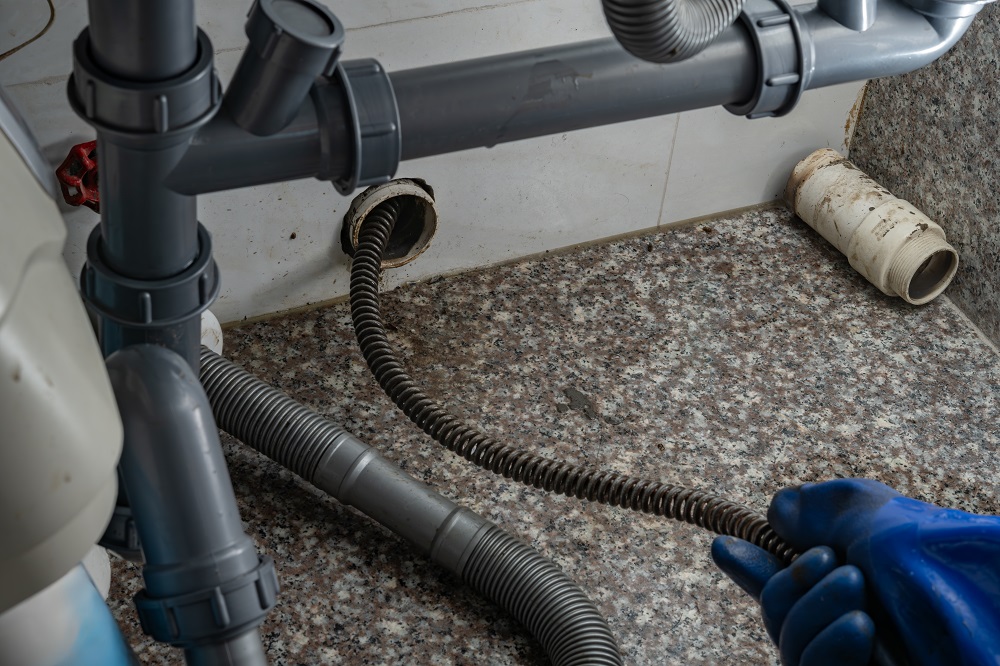
  • Top Things You Can Do When Your Drain Gets Clogged

    Top Things You Can Do When Your Drain Gets Clogged

    A clogged drain can disrupt your routine and create unnecessary stress, but there are several practical steps you can take before the situation becomes more serious. Understanding these options helps you respond quickly and safely while keeping your plumbing in good condition. Below are some helpful methods you can try at home, along with a couple of long-term solutions to prevent future blockages.

    Try Hot Water Flushing

    Flushing your drain with hot water is one of the simplest first steps you can take. The heat helps loosen soap scum, grease, and other buildup that may be causing the clog. Pouring the water slowly is important because it gives the heat time to break down debris.

    This method works best for sinks and showers where organic matter tends to accumulate. You can repeat the process several times for stubborn clogs. If the blockage doesn’t move, it may be a sign that something deeper in the pipe needs attention. Hot water flushing is a quick and gentle option worth trying before exploring more aggressive solutions.

    Use a Plunger for Minor Blockages

    A basic plunger can be surprisingly effective at loosening drain clogs. With a few firm pushes, the suction helps dislodge whatever is blocking the flow of water. It’s important to get a good seal around the drain, or else the pressure won’t be strong enough. This method works for sinks, tubs, and even some floor drains.

    While it won’t solve every clog, it often clears the common ones caused by hair, soap buildup, or small bits of debris. If the plunger creates some movement but not enough to fully clear the pipe, repeating the process may help. For many households, a plunger remains a go-to tool because it’s easy to use and requires no chemicals.

    Try a Drain Snake or Hair Tool

    A simple drain snake can reach blockages that plungers and hot water can’t. These tools are designed to move through curved pipes and pull out built-up materials, especially hair tangles. They work particularly well in bathroom sinks and showers, where hair is a common problem. Inserting the snake carefully prevents damage to your pipes while still applying enough pressure to break through the clog.

    This approach is especially useful when the blockage is close to the drain opening. If you regularly deal with slow-draining water, using a snake occasionally can keep things flowing smoothly. Many homeowners find that having a basic drain tool on hand saves time and frustration.

    Clean the Drain to Prevent Recurring Clogs

    Cleaning your drains regularly can help you avoid sudden blockages and unpleasant odors. This process may include removing the drain cover, clearing visible debris, and rinsing the pipe with hot water or a mild cleaning mixture. A routine cleaning helps keep buildup from accumulating over time. While you may not need to do this every week, a simple monthly check can make a noticeable difference.

    Some homeowners also choose to schedule occasional professional cleaning for deeper maintenance. In such cases, involving a local plumber like Legacy Plumbing and Heating can help ensure stubborn buildup is cleared safely. They have the tools, experience, and techniques needed to address the issue without damaging your pipes. Their expertise also saves you time and prevents recurring problems that DIY methods might fail to resolve.

    Consider Repiping for Older or Frequently Problematic Plumbing

    In homes with aging plumbing systems, frequent clogs may signal a larger underlying issue. Old pipes can develop corrosion, buildup, or narrowing that makes blockages more common. When this happens repeatedly, short-term solutions may not provide lasting relief. That’s why some homeowners eventually consider repiping, especially when repairs become more frequent than expected. Replacing older lines can improve water pressure and restore smoother flow throughout the home.

    Though it’s a bigger project, it often prevents future drainage issues that stem from aging infrastructure. Thinking long-term can help you avoid recurring problems and unexpected plumbing interruptions.

    Use Natural Cleaning Solutions for Gentle Maintenance

    Natural cleaning mixtures can help loosen minor buildup without causing damage to your pipes. A simple combination of baking soda and vinegar is often enough to break down soap scum or residue sitting near the drain opening. Pouring the baking soda first allows it to settle into the pipe, while the vinegar activates it with a gentle fizzing action. After letting the mixture sit for several minutes, flushing with hot water helps wash away loosened debris. This method is especially useful for people who want to avoid harsh chemicals in their home.

    While it won’t solve deeper or more stubborn clogs, it’s a helpful routine option to maintain smoother drainage. Regular gentle cleaning can extend the time between major clog issues and keep your drains smelling fresh.

    Conclusion

    Dealing with a clogged drain doesn’t have to be overwhelming when you know what steps to take. From simple methods like hot water and plungers to deeper maintenance such as drain cleaning, each option helps restore normal flow and prevent additional issues. When blockages happen often, exploring long-term solutions like evaluating the condition of your plumbing can provide more lasting relief. Understanding these choices makes it easier to protect your home and avoid stressful plumbing emergencies. By taking care of your drains and paying attention to early signs of trouble, you’ll keep everything running smoothly with fewer unexpected disruptions. A little routine maintenance goes a long way toward preventing future clogs and maintaining a comfortable home. So whenever a drain slows down, you’ll know exactly where to start and what steps can help bring things back to normal.

Design a site like this with WordPress.com
Get started