
Category: Blog

  • The Future of Work: What Agile Teams Look Like in 2025

    The Future of Work: What Agile Teams Look Like in 2025

    The workplace isn’t what it used to be and that’s a good thing. In 2025, agile teams are setting the new standard for how work gets done. Fast-moving, highly adaptive, and digitally empowered, these teams are reshaping business at every level.

    From remote-first cultures to AI-powered collaboration, the future of work is here and it belongs to the agile.

    What Is an Agile Team (in Today’s Terms)?

    Agile teams aren’t just “fast” or “flexible.” They’re built around iterative progress, clear communication, and customer-centric thinking.

    In 2025, an agile team is:

    • Cross-functional: Designers, developers, marketers, and strategists work side by side.
    • Remote-native: Location doesn’t matter—impact does.
    • Tech-enabled: From AI task managers to asynchronous tools, work flows without friction.
    • Outcome-focused: Less about time spent, more about value delivered.

    “Agile isn’t a buzzword anymore—it’s the blueprint.”

    What Makes Agile Teams in 2025 Different?

    1. AI Is a Core Team Member

    In 2025, AI tools aren’t just add-ons—they’re embedded in the workflow. Agile teams use:

    • AI for instant data analysis
    • Smart assistants to automate admin tasks
    • AI writing and coding support for content and development

    This frees humans to focus on strategy, creativity, and high-level decisions.

    2. Asynchronous Work Is the Norm

    Agile teams work across time zones with tools like:

    • Loom for async video updates
    • Notion and ClickUp for documentation
    • Slack with AI bots for updates and alerts

    Meetings are minimal. Updates are automated. Productivity is 24/7.

    3. Clear Roles, Fluid Execution

    Everyone has a defined strength—but the lines are fluid. A marketer might jump into UX, and a developer might offer product feedback. The goal? Delivering value fast, not sticking to silos.

    4. Radical Transparency

    Dashboards are shared. Progress is visible. Agile teams in 2025 thrive on:

    • Open metrics
    • Regular retrospectives
    • Honest, real-time feedback

    It builds trust and keeps everyone aligned.

    5. Culture Is Remote-First, Not Remote-Friendly

    Successful teams no longer “adjust” to remote—they build for it. They invest in:

    • Digital onboarding experiences
    • Virtual culture rituals
    • Wellness days and flexible schedules

    The mindset? Work is what you do—not where you do it.

    🧰 Tools Powering Agile Teams in 2025

    FunctionTools
    Project ManagementNotion, Trello, ClickUp
    CommunicationSlack, Twist, Discord
    Async VideoLoom, Claap
    AI SupportChatGPT, Jasper, GitHub Copilot
    File SharingGoogle Drive, Dropbox Paper
    Feedback & AlignmentMiro, FigJam, Range

    The tech stack is lightweight, integrated, and collaborative.

    The Soft Skills That Matter Now

    Agile teams rely on more than tools. The human skills that define successful team members in 2025 include:

    • Adaptability – change is constant
    • Ownership – everyone leads something
    • Empathy – for teammates and users alike
    • Clarity – in writing, speaking, and thinking

    Final Thought: Agile Is a Mindset, Not a Method

    The future of work isn’t just remote or tech-powered—it’s agile at the core. Businesses that embrace this shift are building leaner, faster, happier teams.

    So if you’re building a startup or scaling a company, ask yourself:

    Are you just working hard… or working smart with agility?

    Because in 2025, the most successful teams don’t just work—they adapt, evolve, and lead the future of work.
  • Smart Budgeting for Startups: Making Every Dollar Count

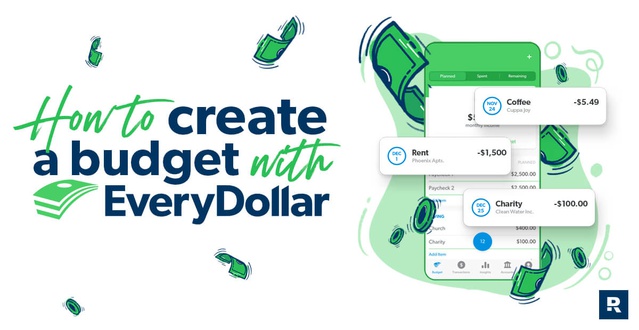
    Smart Budgeting for Startups: Making Every Dollar Count

    Launching a startup in 2025 isn’t just about big ideas it’s about making those ideas work with limited resources. With rising costs, competitive markets, and lean teams, startup founders must master one critical skill early on: smart budgeting.

    In a world where funding isn’t guaranteed, and profitability is the new priority, knowing how to stretch every dollar could be the difference between scaling up or shutting down.

    Why Budgeting Matters More Than Ever

    For startups, a budget isn’t just a spreadsheet—it’s a strategy. It guides your decisions, keeps your cash flow healthy, and helps you invest in what truly matters. Smart budgeting helps you:

    • Avoid unnecessary debt
    • Extend your runway
    • Focus on ROI-driven growth
    • Gain investor confidence

    “A well-managed dollar today could be worth a hundred tomorrow.”

    Step-by-Step Guide to Smart Startup Budgeting

    1. Start with Your Minimum Viable Budget (MVB)

    What’s the least amount of money you need to build, launch, and validate your product or service?
    This includes:

    • Product development
    • Hosting & tech tools
    • Initial marketing
    • Legal setup

    Pro Tip: Build lean and prove demand before scaling up.

    2. Break Down Fixed vs. Variable Costs

    Know where your money is going:

    TypeExamples
    FixedSaaS subscriptions, rent, hosting
    VariableAd spend, contractor payments, packaging

    Track both carefully and be ready to adjust based on cash flow.

    3. Set Your Burn Rate & Runway

    Your burn rate is how much money you spend monthly.
    Your runway is how many months you can operate before needing more cash.

    Formula:

    Runway = Cash in the bank / Monthly burn

    Knowing these two numbers is key to survival and planning.

    4. Prioritize ROI-Positive Spending

    Not all spending is equal. Invest in what drives growth:

    • MVP development over full product builds
    • Organic content over flashy ads (at first)
    • Customer retention tools over vanity metrics

    Ask: Will this expense bring in or retain revenue?

    5. Use the Right Budgeting Tools

    You don’t need to hire a CFO from day one. Use:

    • Google Sheets or Airtable (customizable and free)
    • Wave or QuickBooks for accounting
    • PlanGuru or Finmark for startup financial forecasting

    6. Review Weekly, Adjust Monthly

    Budgeting isn’t set-it-and-forget-it. Stay agile:

    • Track actuals vs. projections
    • Cut or reallocate underperforming expenses
    • Reinvest into what’s working

    What gets measured, gets managed.

    Budgeting Mistakes to Avoid

    Overestimating early revenue
    Underestimating costs (especially marketing or fulfillment)
    Hiring too fast
    Ignoring taxes and compliance
    Not planning for unexpected expenses

    Bonus: Where Startups Can Save Big

    • Use freemium tools until absolutely necessary to upgrade
    • Hire freelancers or part-timers instead of full-time staff
    • Automate repetitive tasks with no-code tools
    • Barter or exchange services with other startups

    Final Thought: Budget With Vision, Spend With Purpose

    Every startup has ambition—but only the smart ones survive. And those that survive are usually the ones who know how to budget with discipline and intention.

    Remember: it’s not about having the biggest budget—it’s about making the smartest choices with what you’ve got.

    Because in the early days, every dollar is a decision. And every decision shapes your future.

  • How to Build a Purpose-Driven Brand That Customers Love

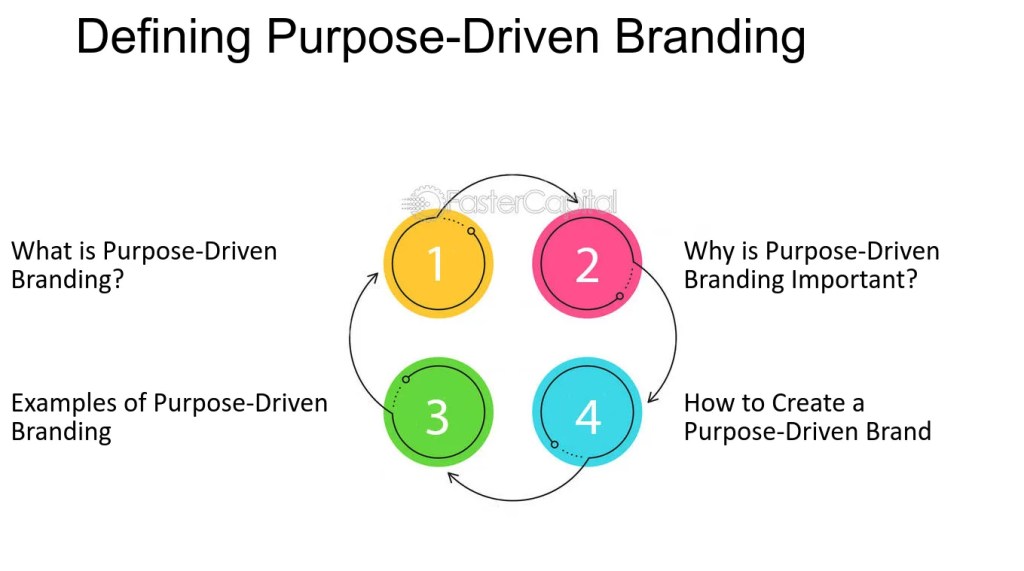
    How to Build a Purpose-Driven Brand That Customers Love

    In today’s crowded market, great products and competitive prices aren’t enough. Customers especially Millennials and Gen Z—are drawn to brands that stand for something, not just sell something. That’s where purpose-driven branding comes in.

    In 2025, authenticity, values, and mission matter more than ever. The most loved brands aren’t just known for what they do but why they do it.

    What Is a Purpose-Driven Brand?

    A purpose-driven brand is built around a core mission that goes beyond profit. It’s a brand that exists to make a positive impact—whether socially, environmentally, or culturally—while delivering value to customers.

    Think:

    • Patagonia and sustainability
    • TOMS and social giving
    • Warby Parker and accessible vision care

    These brands don’t just sell products they tell stories, solve problems, and lead movements.

    Why Purpose Matters in 2025

    1. Customer Loyalty
      Consumers are more loyal to brands that reflect their own values.
    2. Brand Differentiation
      Purpose gives you a unique identity in a sea of sameness.
    3. Employee Engagement
      People want to work for companies that stand for something meaningful.
    4. Long-Term Growth
      Purpose-driven brands outperform competitors in brand equity and trust.

    “When you build with purpose, you build a following—not just a customer base.”

    Steps to Build a Purpose-Driven Brand

    1. Define Your Why

    Start by asking:

    • What problem are we solving?
    • Why does our business exist beyond making money?
    • How do we want to change the world—even in a small way?

    Tip: Your purpose should be authentic, actionable, and aligned with what you offer.

    2. Make Purpose Part of Your Brand Story

    Infuse your mission into:

    • Your website and about page
    • Your product packaging
    • Your social media content
    • Your team culture

    Customers should feel your purpose in everything you do.

    3. Choose the Right Cause (and Commit to It)

    Align with a cause that makes sense for your brand. For example:

    • A skincare brand that promotes eco-conscious packaging
    • A coffee startup that supports ethical sourcing and farmer welfare

    Then go beyond lip service show real action.

    4. Involve Your Community

    Invite customers to be part of your mission.
    This could mean:

    • Donating a portion of sales to charity
    • Hosting purpose-driven events
    • Featuring real customer stories

    Purpose-driven brands build movements, not just marketing campaigns.

    5. Measure Your Impact

    Track how your mission is creating change.
    Share results through reports, case studies, or content updates. Transparency builds trust.

    Real-World Inspiration

    • Ben & Jerry’s: Activism and social justice embedded in their branding
    • Allbirds: Climate-conscious fashion with carbon footprint labels
    • Thinx: Women’s health and body positivity leading product innovation

    They’re not just selling—they’re leading with values.

    Final Thought: Purpose Is Your Superpower

    In 2025, the brands that win hearts (and wallets) are the ones that stand for something bigger than themselves.

    A purpose-driven brand doesn’t just make customers buy—it makes them belong. It’s how startups become movements, and businesses become beloved.

    So ask yourself:

    What does your brand believe in?
    And are you brave enough to build around that belief?

    Because when your brand’s purpose is clear, the right people will find you—and they’ll stick around.

Design a site like this with WordPress.com
Get started